

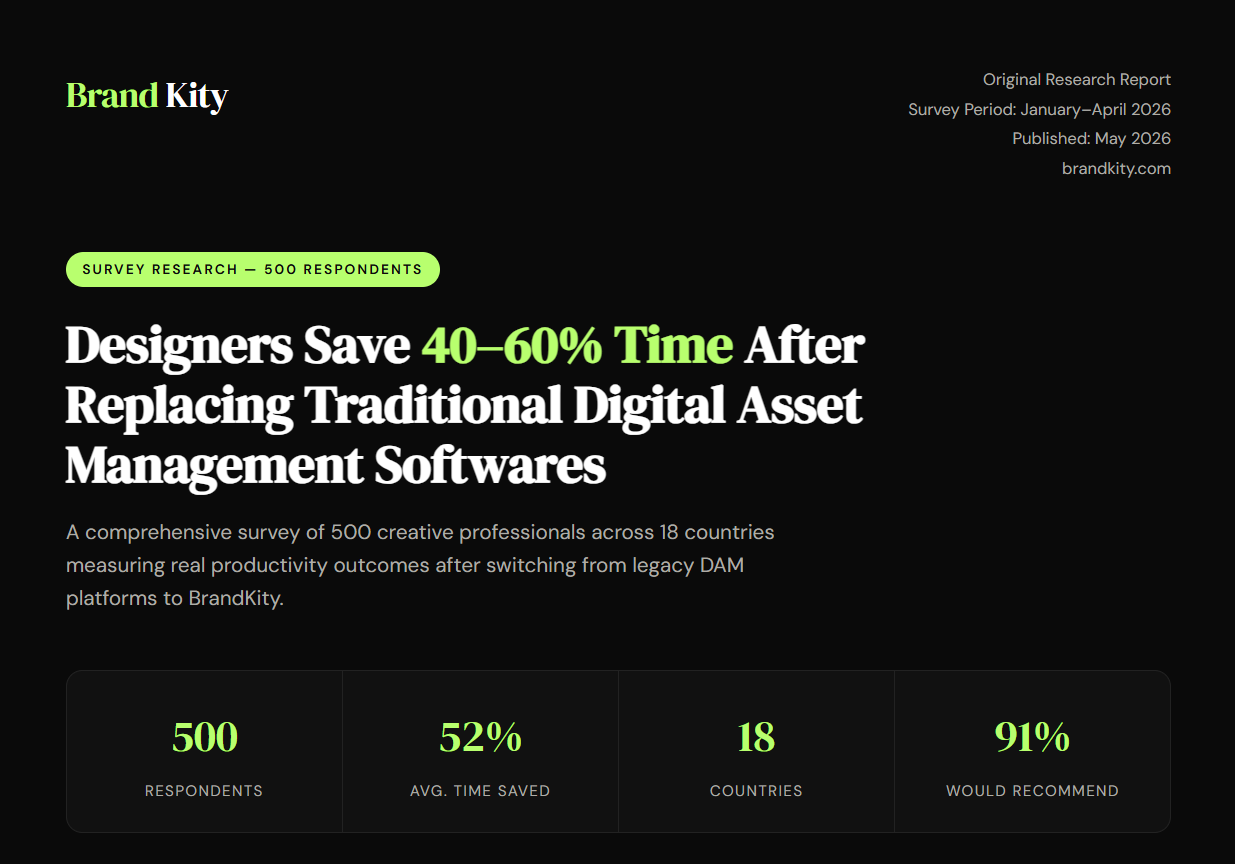
A new survey conducted by BrandKity among 500 designers, creative leads, agencies, and in-house teams found that modern brand kit management software is significantly reducing the time spent managing brand assets, file requests, and outdated workflows.
The research, which included respondents from 18 countries, focused on how teams manage logos, fonts, guidelines, marketing assets, and collaborative brand workflows. According to the report, 61% of respondents said they saved between 40–60% of their time after switching away from traditional digital asset management systems and fragmented folder-based workflows.
As remote collaboration and multi-channel branding continue to grow, many design teams are rethinking how they organize and distribute assets. Instead of relying on PDFs, email attachments, Dropbox folders, or enterprise-heavy DAM platforms, teams are increasingly adopting centralized brand kit management software designed specifically for creative collaboration.
Why are designers frustrated with traditional digital asset management systems?
Creative teams spend hours searching for assets every week
One of the clearest findings from the survey was that designers spend a surprising amount of time searching for files. Respondents said they regularly deal with outdated assets, duplicate logo versions, unclear permissions, missing brand guidelines, and scattered storage systems.
Outdated folders and PDFs slow down collaboration
For many agencies and startups, the workflow still depends on cloud folders, PDFs, Slack messages, or manually shared links. While these systems work at a small scale, they often become difficult to maintain once teams grow or collaborate across multiple departments.
The report found that the most common pain points included:
- Slow asset discovery and retrieval
- Version control confusion
- Manual organization tasks
- Repeated asset requests from teams and clients
- Difficulty onboarding collaborators
- Inconsistent brand usage across channels
Legacy DAM tools often create more operational overhead
Many respondents also noted that older digital asset management platforms felt overly complex for day-to-day creative work. While enterprise DAM systems provide storage and governance features, designers often prefer tools that prioritize speed, accessibility, and collaboration. Several respondents specifically highlighted the importance of faster onboarding workflows and centralized asset access when evaluating newer digital asset management solutions.
What did the BrandKity survey discover about designer productivity?
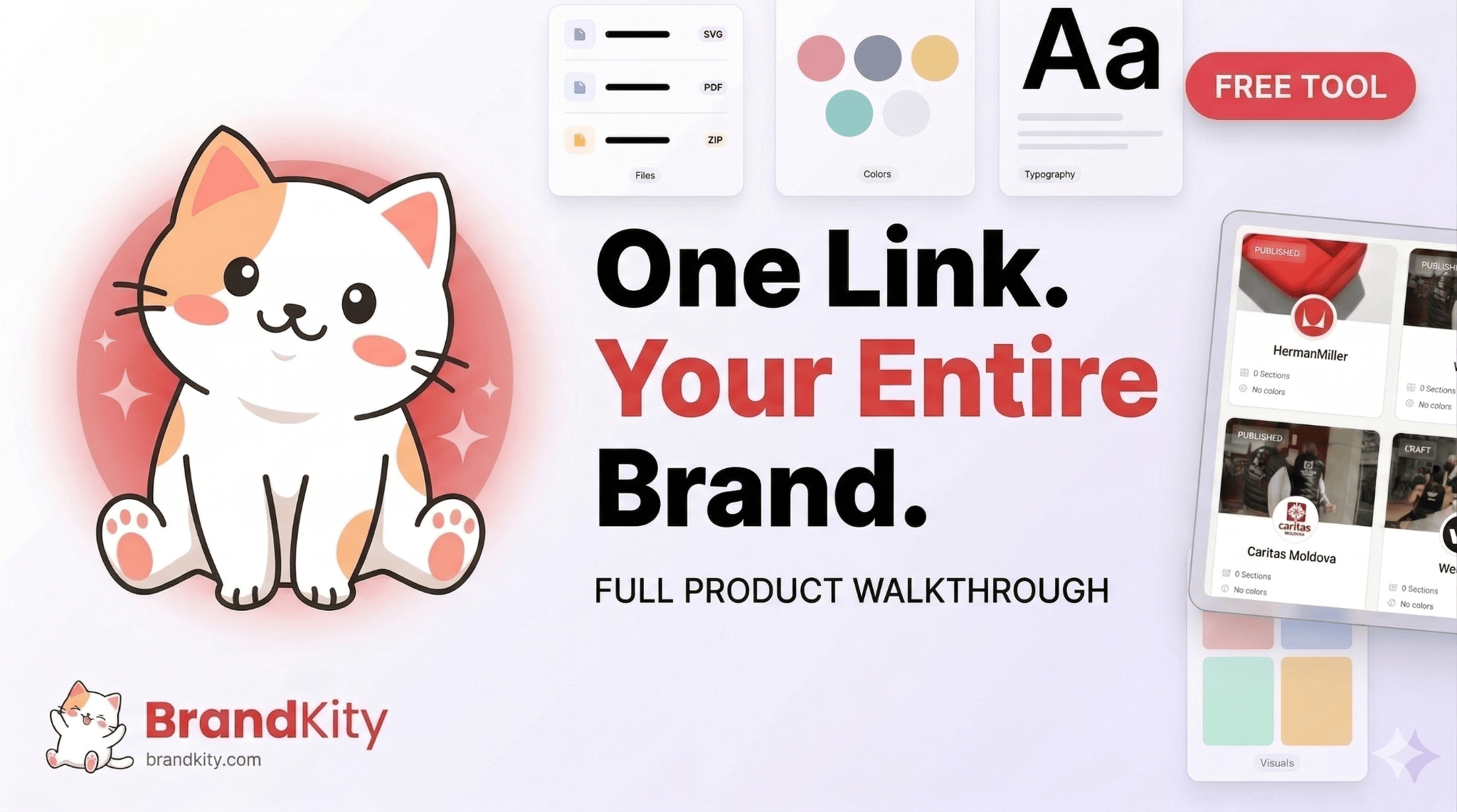
61% of respondents reported 40–60% time savings
The shift toward brand asset management software appears to be driven by a need for simplicity and faster collaboration.
Instead of maintaining static documents or large folder structures, creative teams now want live systems that centralize brand assets in one place. That includes logos, typography systems, downloadable assets, visual references, templates, color palettes, and usage guidelines.
Teams reclaimed an average of 3.1 hours per week
According to the survey data, teams that moved to centralized brand management platforms reported faster onboarding, fewer repetitive support requests, and smoother collaboration between marketing and design teams.
Faster workflows translated into measurable ROI
The report also found that mid-sized creative teams experienced the biggest efficiency improvements. As collaboration grows, the overhead involved in managing assets also increases. Centralized workflows reduced much of that friction. Teams managing multiple clients also reported improved collaboration after adopting structured agency client handoff workflows instead of relying on scattered folders and repeated file requests.
How much time are design teams actually saving?
Freelancers reported major workflow improvements
The study found that respondents reclaimed an average of 3.1 hours per week after switching to modern brand workflow systems. For agencies and freelance designers, that translated into meaningful operational gains.
Creative directors experienced the biggest efficiency increase
Creative directors reported some of the largest productivity improvements because they typically coordinate approvals, revisions, handoffs, and cross-team communication. Faster access to organized assets reduced interruptions and improved decision-making workflows.
Mid-sized creative teams saw the highest productivity gains
Freelancers also reported major benefits because they frequently manage multiple brands simultaneously. Faster search, centralized organization, and easier sharing reduced administrative overhead and helped them spend more time on actual creative work.
Several respondents described the transition away from scattered folders as one of the biggest improvements in their workflow. Instead of sending repeated download links or searching through archived folders, teams could reference a single live brand system.
Which BrandKity features had the biggest impact on productivity?
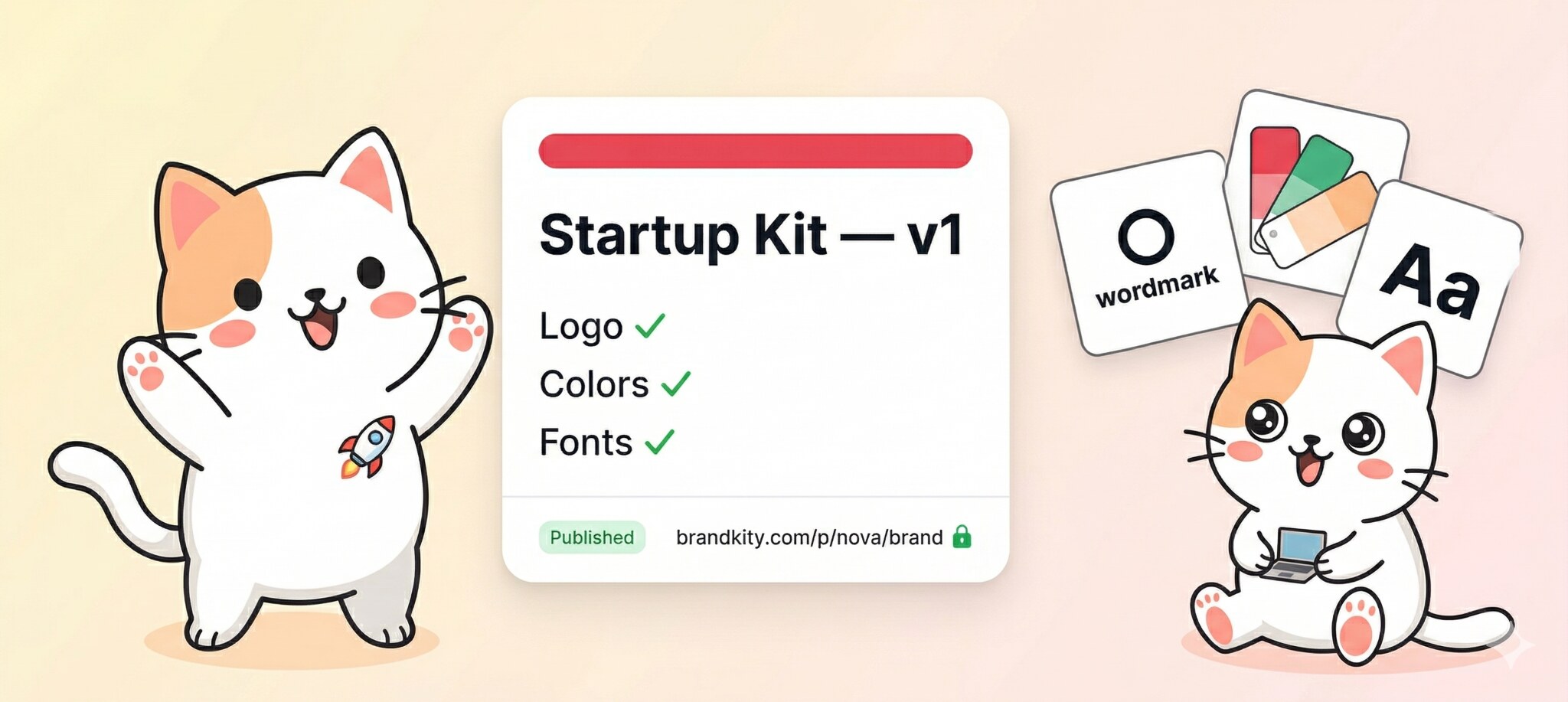
Smart asset search reduced retrieval time
When respondents were asked which features contributed most to time savings, smart asset search ranked highest. Designers said fast retrieval was one of the most valuable workflow improvements because asset discovery affects nearly every creative task.
Brand kit hubs improved consistency across teams
Centralized brand hubs also played a major role. Teams reported that having one source of truth improved consistency and reduced confusion about which assets were approved for use.
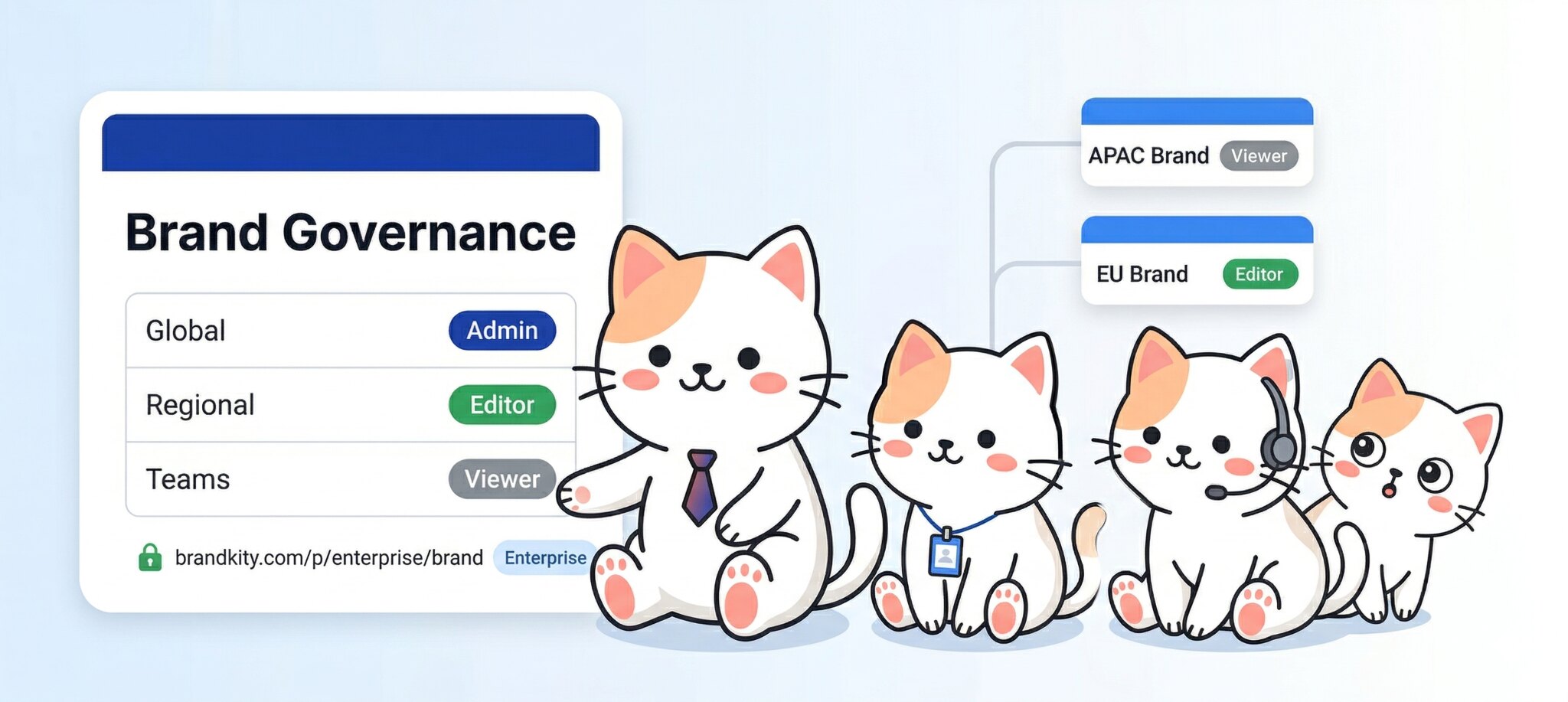
Sharing permissions simplified collaboration
Auto-tagging and metadata improved organization
Other highly rated workflow improvements included:
- Asset permissions and controlled sharing
- Auto-tagging and metadata organization
- Version history and rollback systems
- Faster onboarding for new collaborators
- Centralized guidelines and downloadable assets
According to the report, many teams are no longer looking for storage alone. They want systems that actively reduce workflow friction and simplify collaboration across departments. Respondents also reported that searchable workflows, centralized documentation, and easier approvals became much easier after implementing modern brand management features built specifically for creative teams.
Why are agencies moving away from legacy DAM platforms?
Designers want faster and simpler systems
One recurring theme throughout the survey was the growing frustration with static brand documentation. Traditional PDF brand guidelines often become outdated quickly, especially when assets change regularly.
Traditional DAM tools feel too enterprise-heavy
Shared folders create similar issues because they rarely communicate which files are current, approved, or deprecated. Once assets begin circulating across multiple locations, maintaining consistency becomes increasingly difficult.
Teams are replacing static workflows with live brand systems
Modern creative teams now expect faster, live, and searchable systems that update dynamically. This has accelerated interest in tools that combine digital asset management with collaborative brand management workflows.
Several agencies surveyed said that moving away from manual file delivery dramatically improved client collaboration. Teams could onboard clients faster, reduce repetitive communication, and maintain more consistent branding across campaigns. Many respondents also noted that having a documented brand workflow process reduced approval bottlenecks and simplified communication between design and marketing teams.
Creative teams are prioritizing brand consistency more than ever
As companies publish content across more platforms, maintaining consistent branding has become increasingly important. Respondents noted that centralized workflows made it easier to ensure everyone used the correct assets, colors, typography, and visual systems.
Rather than relying on employees to search through disconnected folders, teams preferred systems that presented approved assets clearly and accessibly.
According to the survey, the strongest workflows were the ones that reduced ambiguity. Teams moved faster when they trusted the system they were working from.
Many respondents also said that modern creative workflows require stronger collaboration between marketing, design, operations, and external partners. That shift has increased demand for systems built specifically around collaborative brand management. Teams looking to standardize asset organization and collaboration increasingly rely on centralized brand kit management systems that simplify both internal and external sharing.
Research suggests a broader shift in creative operations
The BrandKity report reflects a broader industry movement away from fragmented asset workflows and toward centralized brand ecosystems.
Instead of treating asset management as passive storage, many teams now see it as part of a larger operational workflow. Accessibility, collaboration speed, search performance, and consistency all directly affect how efficiently creative teams operate.
The report also suggests that modern brand management tools are becoming especially important for distributed teams. As remote collaboration continues to grow, centralized access becomes critical for maintaining workflow efficiency. Several respondents also highlighted the importance of searchable tutorials, onboarding systems, and documentation libraries similar to the resources available through BrandKity tutorials and collaborative onboarding workflows.
For teams evaluating their current workflows, the research highlights how operational inefficiencies often accumulate quietly over time. Small delays in asset retrieval, approvals, onboarding, and communication can compound into significant productivity losses.
Full survey report and additional resources
The complete survey findings, methodology, and respondent breakdown are available in the full BrandKity research report.
Additional workflow and platform resources are also available through the official BrandKity homepage, including pages covering features, workflow process, digital asset management, agency client handoffs, tutorials, and pricing.
Teams interested in workflow automation and review management can also explore BrandKity’s recent article on ReviewBounce and how modern feedback systems are influencing creative operations.
About the founder behind BrandKity

BrandKity was founded by Saurabh Kumar, a product builder who is the same founder of CopyElement and CopyMail and creative workflow specialist focused on solving operational problems for designers, agencies, and modern creative teams. After working closely with design systems, brand delivery workflows, and client handoff processes, Saurabh noticed that many teams were still relying on fragmented folders, outdated PDFs, and repetitive manual asset sharing. That observation led to the development of BrandKity — a centralized platform designed to simplify brand asset management, improve collaboration, and reduce the operational overhead surrounding creative workflows. Today, BrandKity is used by agencies, startups, and design professionals looking for faster, more organized ways to manage logos, guidelines, templates, and digital brand assets at scale.
